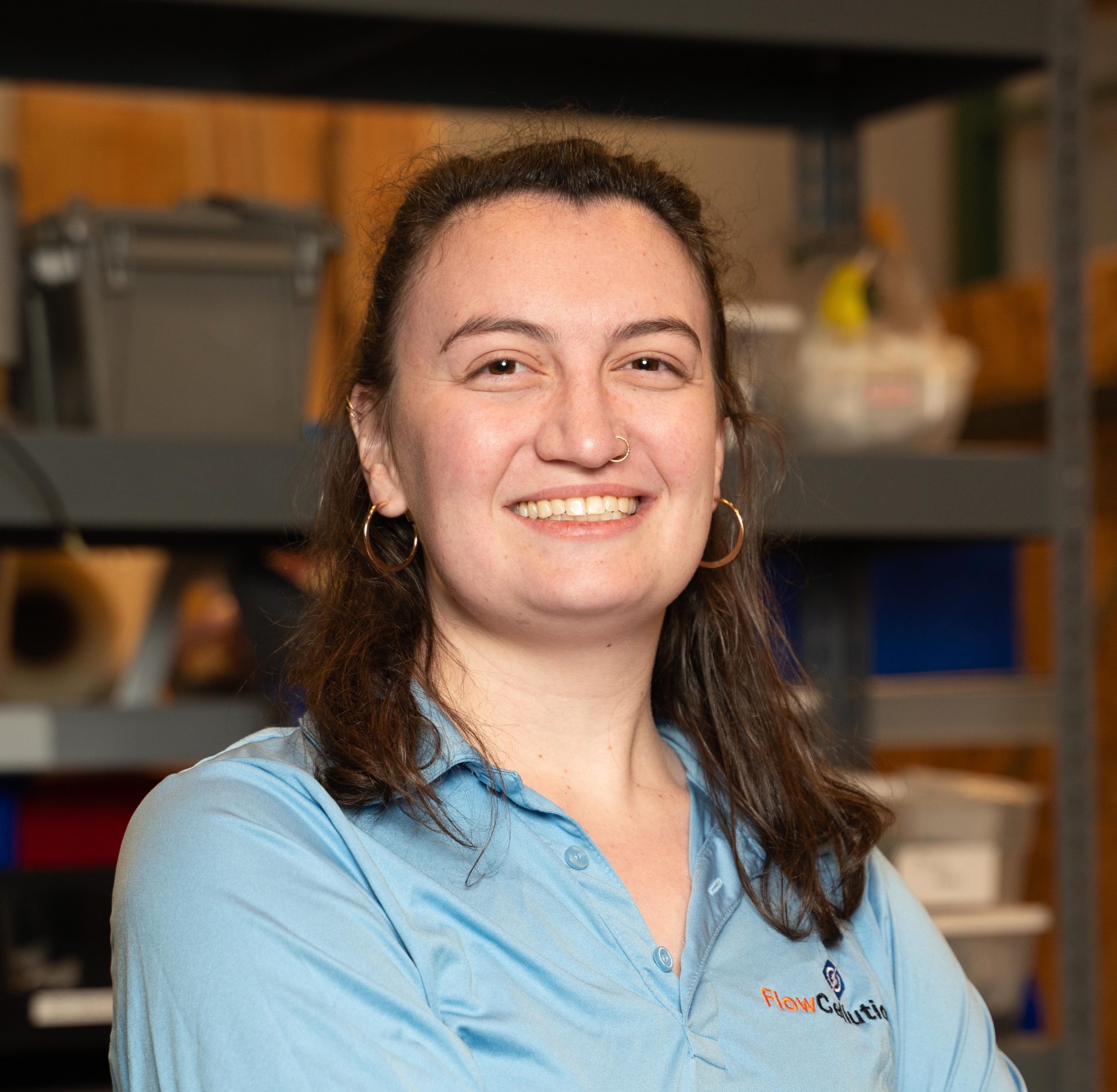

When Becca Segel joined AlphaLab, she was still finishing her PhD at the University of Pittsburgh. Her startup, FlowCellutions was a lean, two-person team with early customer interest but plenty of open questions about what it would take to move from research to a real, manufacturable product.
AlphaLab arrived at the right moment. As Becca worked toward her dissertation defense in March and graduation in May, the program helped her translate a technology rooted in academic research into a tangible plan for prototyping and pilot deployment. Sessions on materials, product roadmapping, and competitive landscape helped FlowCellutions make concrete decisions about how to build early units, what a pilot product needed to include, and what it would take to manufacture small-scale production runs. “AlphaLab made the company feel less like a dream or a PhD research project and more like a real pathway to delivering pilot products to real customers,” remembered Becca.
“AlphaLab made the company feel less like a dream or a PhD research project and more like a real pathway to delivering pilot products to real customers.”
– Becca Segel, Founder
The problem: making long-duration energy storage cheaper, more reliable, and longer-lasting
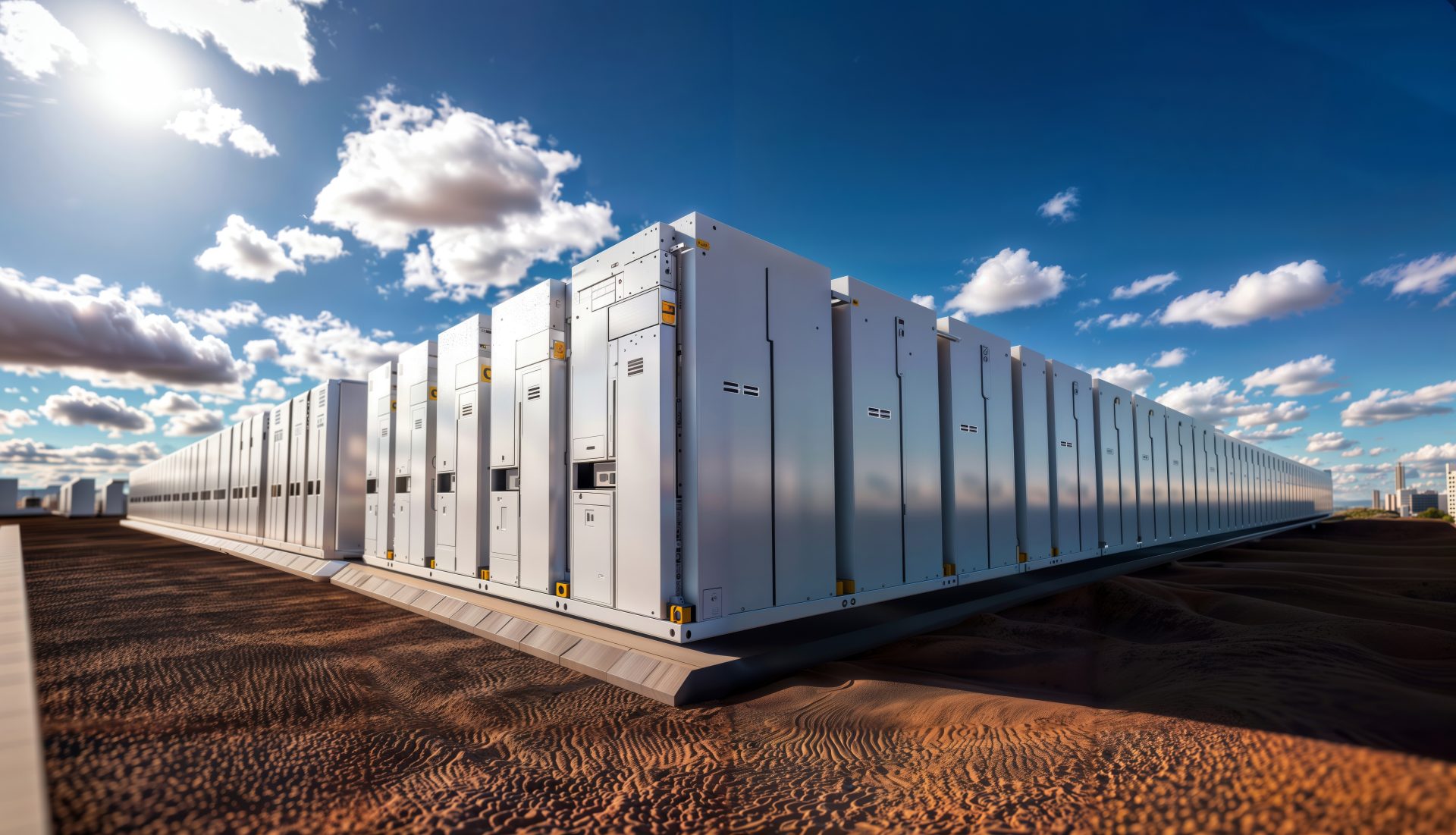
FlowCellutions is developing a “state of health” sensor for batteries, specifically flow batteries and metal-air batteries used in long-duration energy storage. These battery systems play a growing role in supporting renewable energy integration, strengthening grid reliability, and powering new demand drivers like data centers.
Becca’s motivation is both technical and mission-driven: improving efficiency and extending battery lifetime can reduce the cost of renewables, help prevent blackouts, and support a more resilient electric grid, ultimately advancing environmental conservation.
The idea itself was born directly from Becca’s academic journey. She entered her PhD with the goal of building a company in flow batteries, building on her undergraduate research experience and a belief that flow batteries could become a foundational climate solution. With guidance from PhD advisors, now technical advisors to the company, FlowCellutions’ commercial direction sharpened into a product: a monitoring system that helps commercial flow battery systems operate better and last longer.
What AlphaLab enabled: hands-on manufacturing support, talent, and a founder community
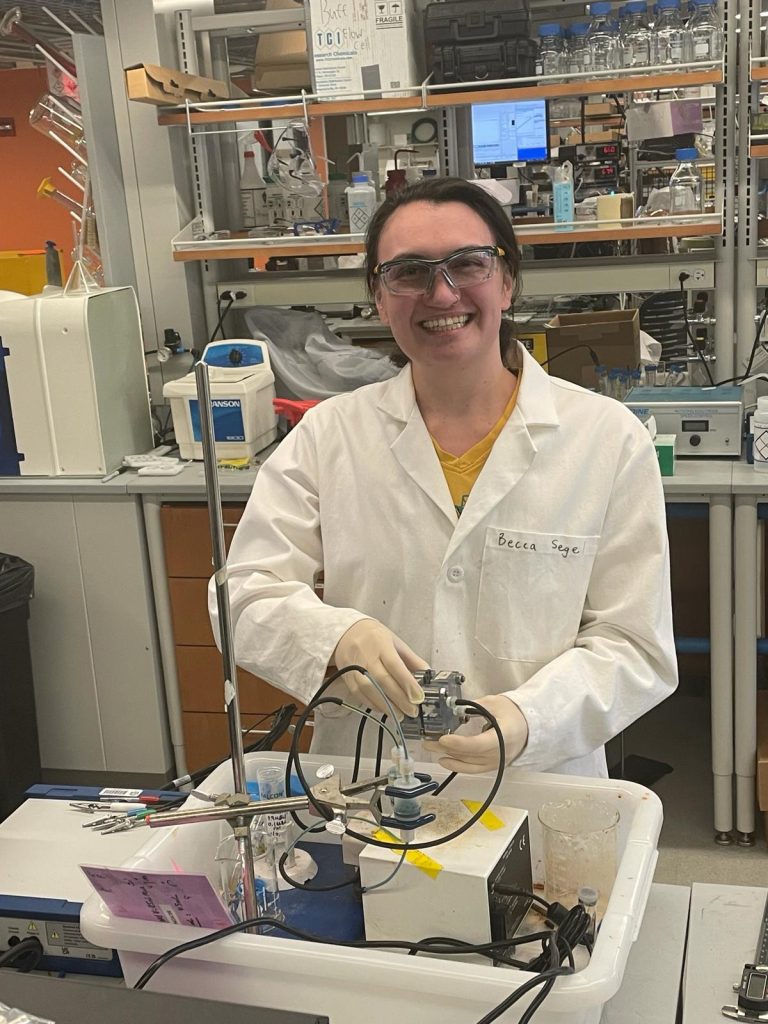
For FlowCellutions, AlphaLab’s value went beyond curriculum. Becca credits the machine shop team as a major accelerator in helping her learn practical manufacturing approaches, use equipment like CNC machines, and iterate on prototypes safely and efficiently. The program also helped her get electronics and PCB-building support, which directly led to bringing on an electrical engineering contractor the company still uses today.
AlphaLab also unlocked key talent support. FlowCellutions hired a summer intern through an Innovation Works cost-share internship program, and that intern contributed to manufacturing and prototype build-out at a critical stage.
And then there was the part founders don’t always anticipate: community. Sharing space with other AlphaLab companies gave Becca peers she could problem-solve with in real time and relationships that have lasted beyond the cohort. As she put it, the companies became “friends,” creating a two-way network of advice and support.
One unexpected lesson also stuck: a talk on building a repeatable sales cycle. The concept of reducing the time and cost it takes to move a customer to “yes,” and then repeating that process, helped clarify what “real growth” should look like even for a deep tech hardware startup.
The next chapter: pilot deployment at Sandia and a national fellowship in Houston
After AlphaLab, FlowCellutions stayed in Pittsburgh to finish fabricating prototype systems for a pilot partnership with Sandia National Laboratories (SNL). By July, sensors were deployed at SNL for real-world testing and validation.
From there, Becca moved into the Activate Fellowship in Houston, an intentional next step designed for deep tech founders spinning companies out of Ph.D. and postdoctoral work. For FlowCellutions, Activate brought two game-changing advantages: introductions to investors, grant opportunities, legal guidance, and advice from later-stage technical founders, and non-dilutive funding of $324,000 distributed over the two-year fellowship.
What success looks like next: a major customer partnership and a pre-seed round
Becca is clear about what FlowCellutions intends to accomplish during the Activate timeline (through next June):
- Secure a multi-year partnership with a leading flow battery player
- Raise a pre-seed round to support next-generation sensor R&D
- Hit major technical milestones—especially reducing sensor cost by two orders of magnitude
Advice to other research-based founders: move faster on funding and non-dilutive capital
For deep tech founders coming out of universities like Pitt and CMU, Becca recommends a path that prioritizes momentum:
- Validate quickly using pitch competitions and structured customer discovery programs (like NFS I-Corps)
- Pursue non-dilutive funding earlier than you think, including corporate, international, and nontraditional grant sources
- Start building a team by recruiting a few students who can help test what’s possible
When it comes to accelerators, she believes AlphaLab was timed perfectly, right as she was finishing her PhD and just before launching early production and beta prototypes. Waiting would have been too late; entering sooner may not have had the same leverage. AlphaLab helped her learn how to launch small-scale production at the exact moment she needed it.
FlowCellutions’ story reflects a pattern many research founders will recognize: the leap from lab to market doesn’t happen through inspiration alone—it happens through practical manufacturing support, disciplined iteration, and a community that helps you build the next version faster. And for Becca, AlphaLab was the bridge between a Ph.D.-born breakthrough and a field-tested product aimed at strengthening the grid and accelerating the clean energy transition.