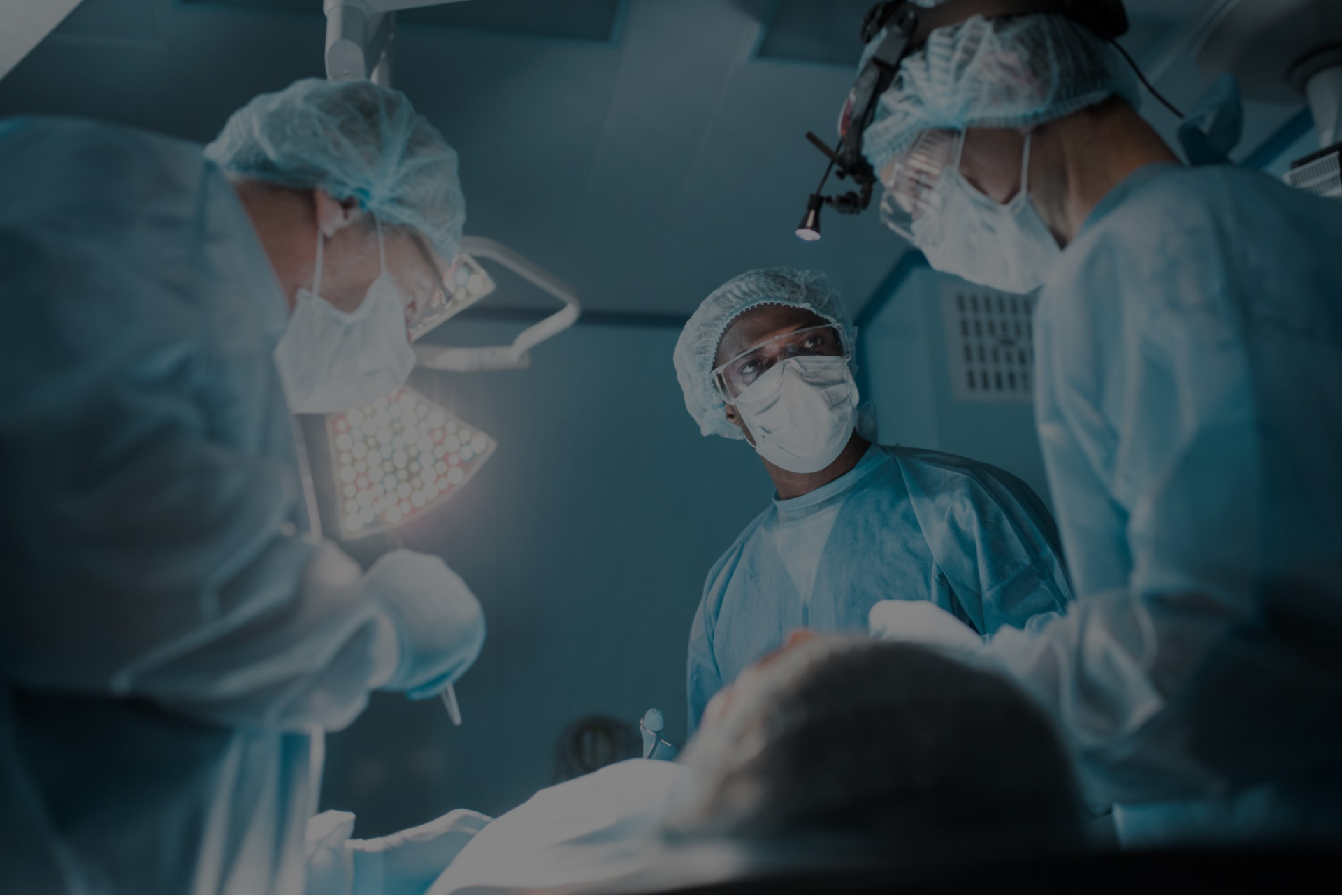
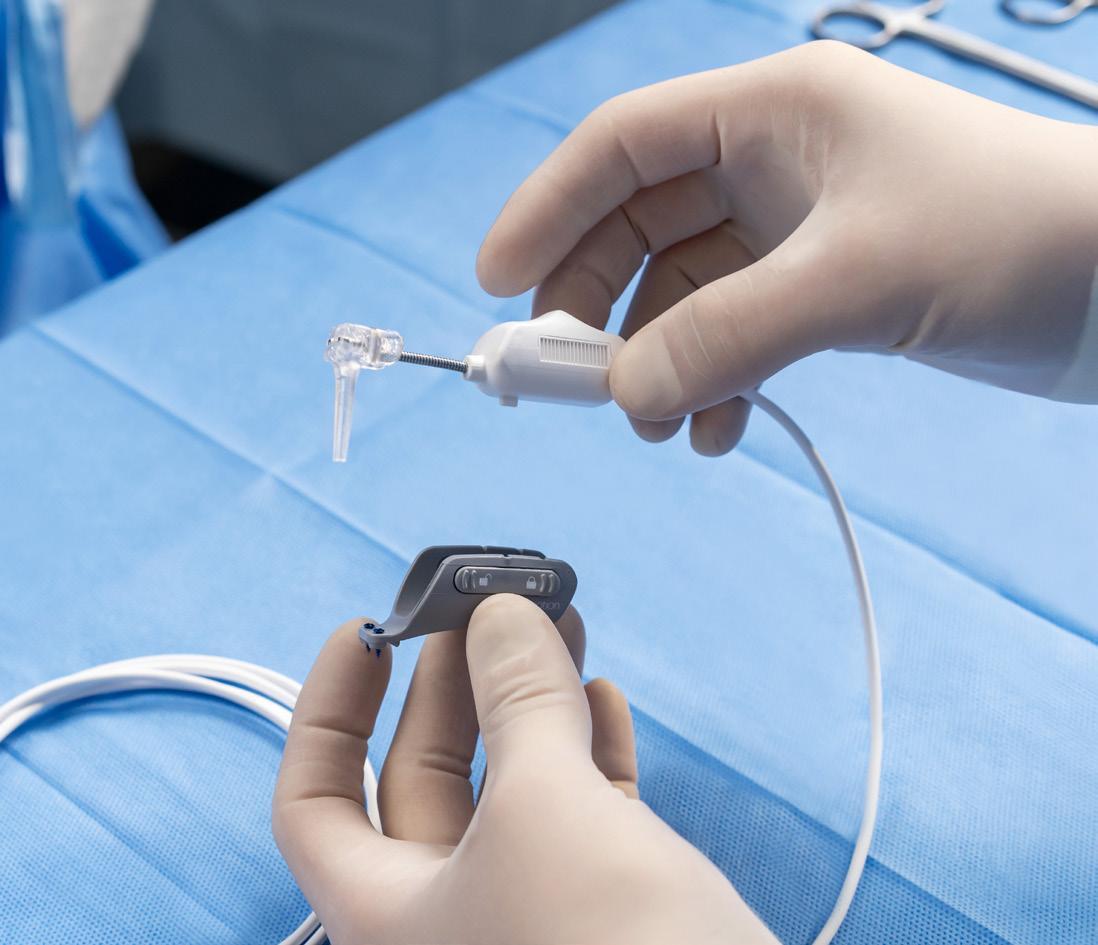
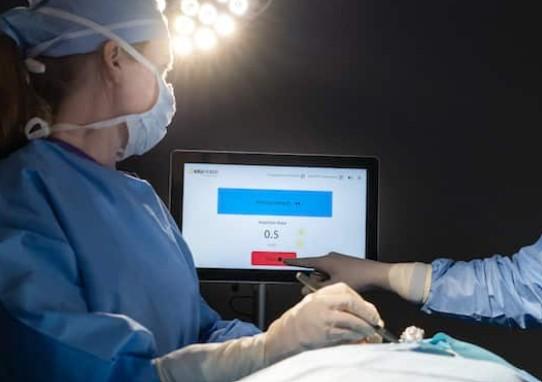
 Founded in 2015 by otolaryngologist-entrepreneurs at the University of Iowa, iotaMotion is advancing cochlear implant surgery with robotic-assisted solutions that achieve levels of accuracy and consistency previously unattainable by human hands. The company’s signature innovation, the iotaSOFT Insertion System, gives surgeons unprecedented control during electrode array placement—helping preserve delicate cochlear structures, reduce surgical variability, and improve patient outcomes.
While iotaMotion is headquartered in St. Paul, Minnesota, its Pittsburgh Innovation Hub has quickly become the beating heart of its industry-disruptive surgical robotics work. Drawn to the region’s renowned robotics community, the company established its East Liberty R&D facility in 2023 as a hands-on lab for prototyping next-generation cochlear implants and their companion insertion systems. Leading the charge is Pat Bursch, a mechanical engineer with deep expertise in medical devices, materials science, and engineering research. With a background that bridges engineering and biology, Pat brings a rare perspective to iotaMotion’s Innovation Hub. His skill in design, rapid prototyping, and team collaboration has turned the space into a creative engine where engineers and clinicians work side by side to transform ambitious concepts into precise surgical breakthroughs.
Rooted in the Midwest’s strong clinical community and anchored by its Innovation Hub in Pittsburgh, iotaMotion stands at the intersection of medical need and engineering excellence. Despite their life-changing potential, cochlear implants remain underutilized by more than 90% of eligible patients. The company’s mission is both technical and human: to expand access, improve consistency, restore quality of life, and preserve patients’ existing hearing through precision-driven solutions.
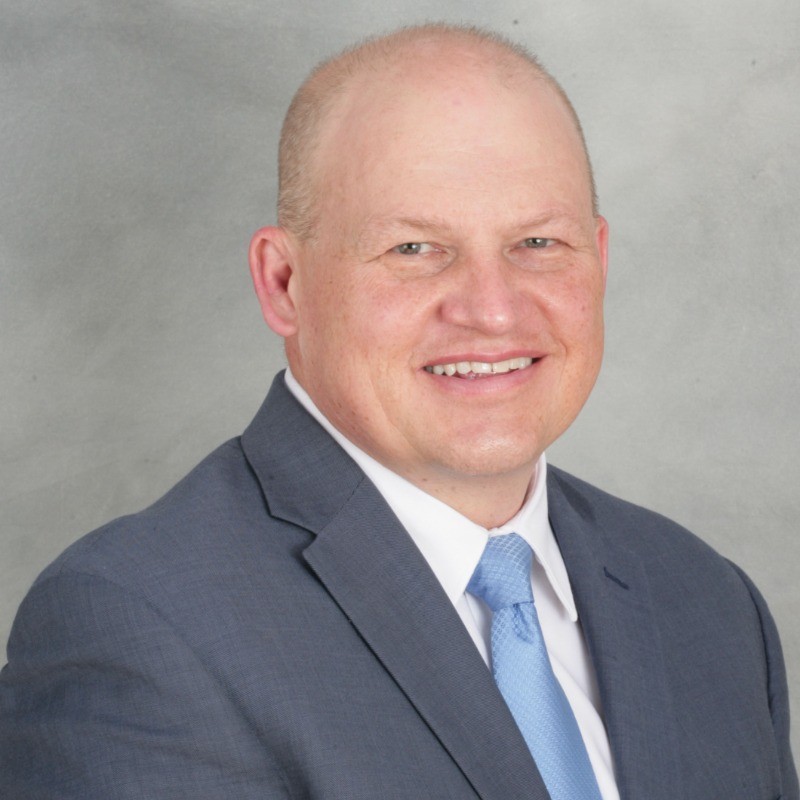
“The Scale Program helped us formalize and standardize our communications with manufacturers, making the process clear, repeatable, and ultimately, successful.”
— Pat Bursch, Sr Mechanical Engineer
Solution
 As iotaMotion advanced from first- to second-generation products, the team faced a host of complex challenges, including communicating requirements and design intent for contract manufacturers, defining metrics for success, and building an end-to-end R&D workflow that seamlessly integrated design with scalable manufacturing. IotaMotion tapped into the expertise of the Robotics Factory and Innovation Works as a 2024 cohort of the Scale Program. Robotics Factory’s comprehensive support included ad-hoc design reviews, hands-on training with shop equipment, and a custom one-on-one workshop on engineering documentation and supplier processes, enabling the team to work faster and smarter. With these resources, the Innovation Hub produced clean, standardized manufacturing packets while streamlining interactions with suppliers, turning ambitious prototypes into reliable, real-world products.
The Robotics Factory lab, meanwhile, became a critical proving ground for rapid iteration and prototyping. Building highly complex solutions for the delicate structures of the ear requires extreme precision, making on-the-spot redesigning of components nearly impossible in a standard lab. Robotics Factory technician Luca Degroot expertly laser-cut some micro parts smaller than a grain of rice, at a scale and pace that no outside shop could match. On a broader scale, Pat Bursch and Andrew Katon worked side by side to solve real-time issues as second-generation devices began rolling off the line, ensuring designs were not only functional but ready for scalable production and optimized for surgical precision. With this mix of mentorship, hands-on prototyping, and engineering best practices, the Innovation Hub has become the command center for the company’s next generation of advancements, driving real-world surgical robotics breakthroughs and expanding iotaMotion’s technology roadmap.
Anchored in Pittsburgh’s East Liberty neighborhood, iotaMotion’s Innovation Hub thrives at the center of a robust regional network that fuels collaboration and accelerates progress. Partners like Innovation Works, the Robotics Factory, and regional design firm Daedalus, infuse the company’s R&D with technical depth, design excellence, and practical production insight. The University of Pittsburgh—Pat Bursch’s alma mater—provides a steady pipeline of emerging talent eager to shape the future of surgical robotics. This talent-driven ecosystem has sharpened iotaMotion’s competitive edge, turning Western Pennsylvania into a laboratory for emerging hearing technology and positioning the company to lead a new era in cochlear implant advancements.