Symmetric Health Solutions set out to fix one of healthcare’s least glamorous and most expensive problems: the product data hospitals rely on to buy, bill for and track the supplies they use every day. Eight years after its founding, the AlphaLab alum grew 115% last year and has secured its first institutional investment from Spectrum Equity.
From Filing Cabinets to a Founding Team
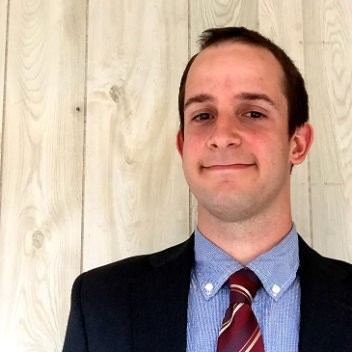
Rich Kucera never planned on a career in healthcare. “I always joke that I didn’t know what I wanted to do, so I ended up in consulting,” he laughed. At Accenture, he landed in the healthcare supply chain practice, much to the amusement of his father, a pulmonologist who had steered him away from medicine.
What Rich saw inside hospitals stuck with him. Cloud computing was taking off across other industries, yet supply chain teams were still faxing documents, opening filing cabinets and calling Fortune 100 suppliers to confirm a single piece of product information. “It was just like, wow, the discrepancy and the lack of innovation applied in the space,” Rich recalled. He also came to appreciate that much of healthcare’s complexity exists for good reasons. After years in the field, he felt he understood why the system worked the way it did, and how it could change.
Near the end of his time at Accenture, Rich crossed paths with colleague Tomás (TJ) Dardet. When Rich left to start a company, TJ asked if he could come along. “There’s nothing to come join yet, but if you want,” Rich told him. Together with Jon Boerner and Ryan Kissell, they officially founded Symmetric in 2018. All four are Carnegie Mellon University alumni, and all four are still with the company today. “We’re in all of each other’s weddings,” Rich shared. “We’re all pretty close.”
Finding Community at AlphaLab
In Symmetric’s first year, Rich went looking for a place to plug into Pittsburgh’s startup community. A long lunch with Innovation Works then President and CEO Rich Lunak was his introduction to Innovation Works and AlphaLab, and Symmetric joined the AlphaLab cohort in 2019.
The program helped the team put the right administrative foundations in place, the details Rich described as essential to “make sure certain things are in place and you cross your T’s and dot your I’s.” Just as valuable was the company it provided. With only two of the four founders in Pittsburgh, each working on different parts of the business, the early days could feel isolating.
“Starting a company is terrifying, and extremely lonely. Being in a group of other people that are doing it is very valuable.”
—Rich Kucera, Co-Founder and CEO, Symmetric
Rich admitted he tends to shrug off startup frameworks when he first hears them. But the advice from AlphaLab stayed with him and often proved most useful a year or more later. “You heard it at a point in time when everything wasn’t on fire,” he explained. “All those things become helpful down the road.”
 A Pandemic Pivot
 A Pandemic Pivot
In January 2020, Symmetric had just signed its third customer. Rich and co-founder Ryan Kissell were in an all-day kickoff meeting with the new health system and Oracle when someone ran in with news of a new virus. Within minutes, the client asked Symmetric to help identify which of its supplies were manufactured in China. The health system was chartering jumbo jets to bring in critical supplies, weeks before COVID-19 became front-page news.
At first, the founders worried about how to grow a young company while every hospital’s attention shifted to the crisis. Instead, the pandemic became a tailwind. “Everyone working in supply chain already knew all the issues,” Rich explained. “What really happened is the rest of the C-suite in the hospitals and health systems all of a sudden experienced the pains that the supply chain staff had been talking about for decades.” Problems once treated as minor became urgent, and leadership teams began to see supply chain data as a strategic priority.
The pandemic also reshaped how Symmetric works. Rich originally assumed the team would need a Pittsburgh office. His co-founders thought things were going remote, and they were right. Today Symmetric is a fully remote company of more than 40 employees.
The Data Foundation Under Every System
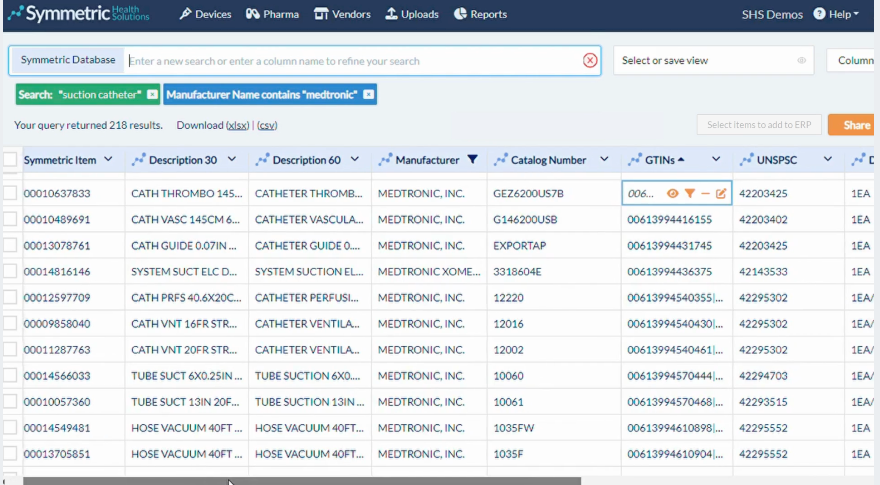
Symmetric maintains a database of more than 20 million healthcare items, refreshed nightly, with close to 2,000 validated attributes. Those records are matched to each customer’s own data and pushed directly into the systems hospitals already use, through API partnerships with enterprise resource planning (ERP) platforms and Epic. Symmetric’s customers are the health systems themselves, and the company works to make sure data flows without manual steps where errors tend to creep in. In the company’s early days, the team summed up its goal as “the right information in the right place at the right time.”
Rich sees that data as step one in any hospital technology investment. In his 15 years in the field, he has watched many promising healthcare technologies come and go. The problems they tackled were real and the software made sense, but they stalled when they ran into broken or missing data. “It’s fundamental to the Oracle or Epic investment you just made, and other big ones like Workday,” he said. “To actually achieve the ROI on all these other systems, you have to get all that data correct, cleansed and normalized.”
The payoff shows up across the hospital. Accurate product attributes help health systems apply the right billing codes for outpatient reimbursement and keep contract pricing correct. As Rich pointed out, if a hospital pays more than its negotiated price, the vendor is unlikely to flag the error.
Symmetric also adds new data as customer needs emerge, sometimes with public health implications. Alpha-gal syndrome, an allergy to certain animal-derived products linked to tick bites, has become more common in recent years, and many surgical implants contain animal-derived tissue. When hospitals needed to identify those products, Symmetric added the attribute across its database. “No one’s out there trying to attribute animal-derived tissue across the tens of millions of items that exist,” Rich noted. “The last place you want to be dealing with that is during a surgery.”
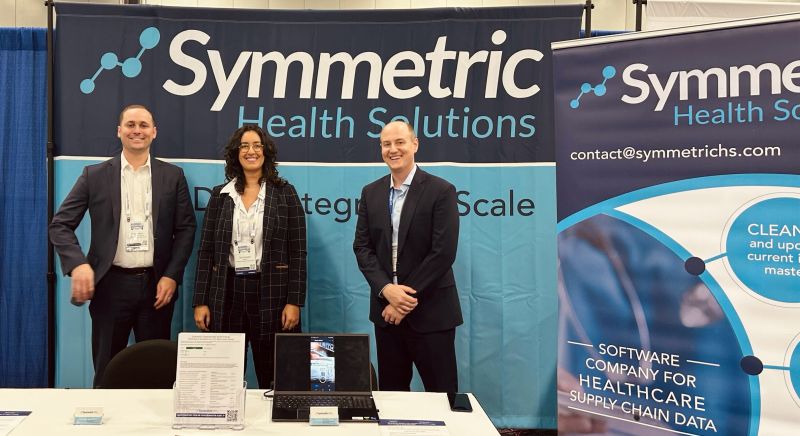
Today Symmetric serves more than 50 health systems across the U.S. and has worked internationally, including with the World Health Organization during the pandemic.
Patience as a Growth Strategy
For eight years, Symmetric grew without outside capital, and that was a deliberate choice. Healthcare moves slowly, buys largely by word of mouth and punishes vendors who arrive before they are ready. Rich had watched startups enter the market too early and fall flat. “If you try to pour gasoline on this fire, you’re just going to put it out,” he said.
The patience paid off. Symmetric grew 115% in 2025, and as the company scaled, its needs began to change. Rich wanted partners who had helped companies through th
at stage, and capital to invest in new AI-driven workflows built on Symmetric’s data.
After years of ignoring inbound interest from investors, he began evaluating options, and Spectrum Equity quickly rose to the top because of its experience with data companies. In October of 2026, the investment was announced.
The timing reflects a broader shift. When Symmetric started, data as a service, a model where companies pay for continuously maintained data rather than software alone, was a harder sell than traditional software. “With the advent of AI, all these data companies that have been out there forever now all of a sudden become really valuable,” Rich observed. AI tools are only as reliable as the data underneath them, which puts Symmetric’s foundation at the center of what hospitals want to build next.
What’s Next for Symmetric
Symmetric’s customers keep asking the team to do more with its data, from embedding it in new places to building workflows on top of it. The Spectrum partnership will help the company move faster on those requests. Rich’s goals include growing the team from about 43 employees to 75 and expanding from two products to five, with new offerings built around the same trusted data foundation. “Even just going to two products was a monumental shift,” he admitted, but the company now has the resources and partners to make the next leap.